
Field Scene 01
Warehouse inspection becomes a decision standard.
Once returns enter the warehouse, condition, accessories, resale status, and ownership are translated into one shared operating status.
RMA intakeResale statusOwnership
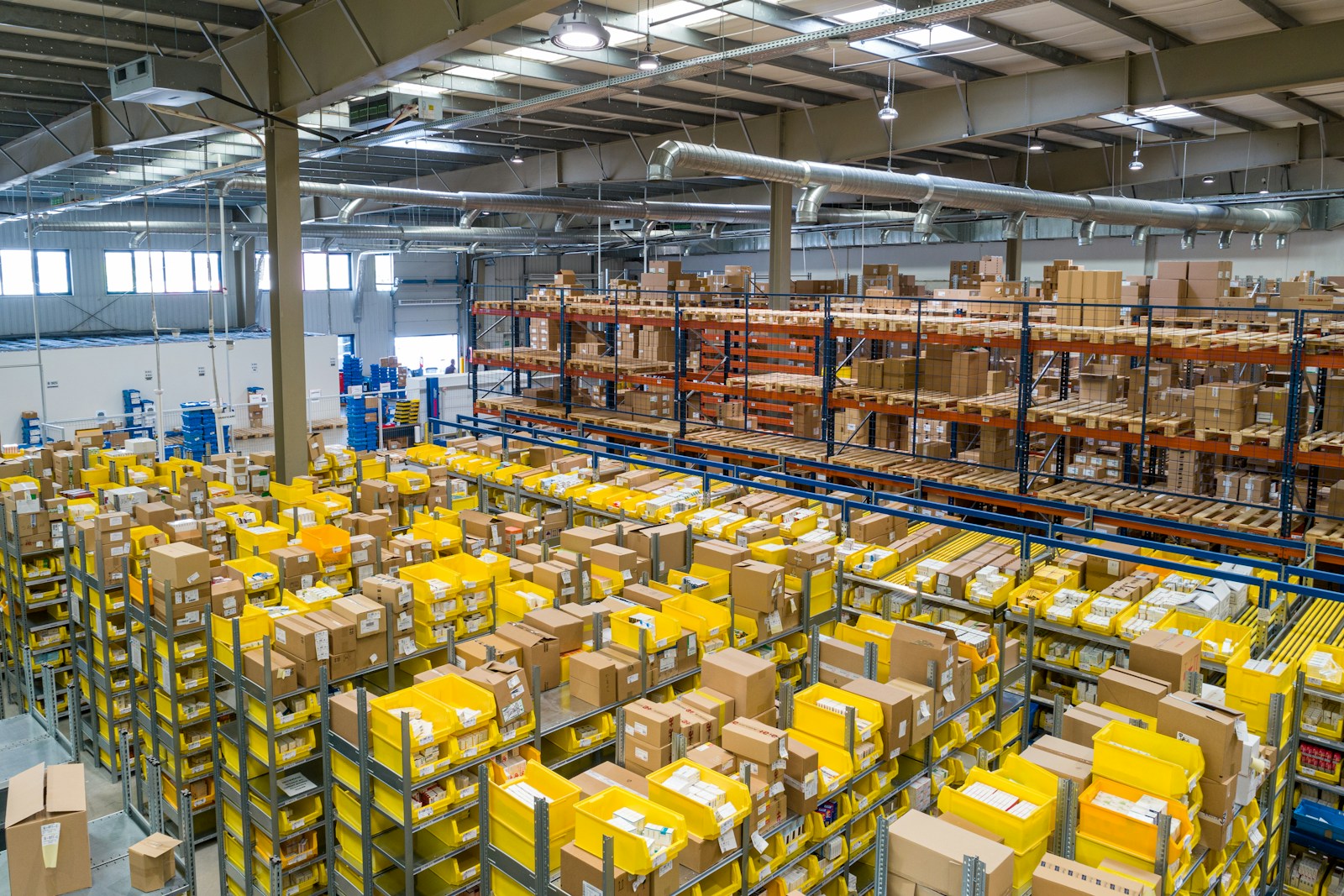
Turn warehouse checks, return rules, logistics exceptions, and support replies into one workflow with clear owners, deadlines, and next actions.
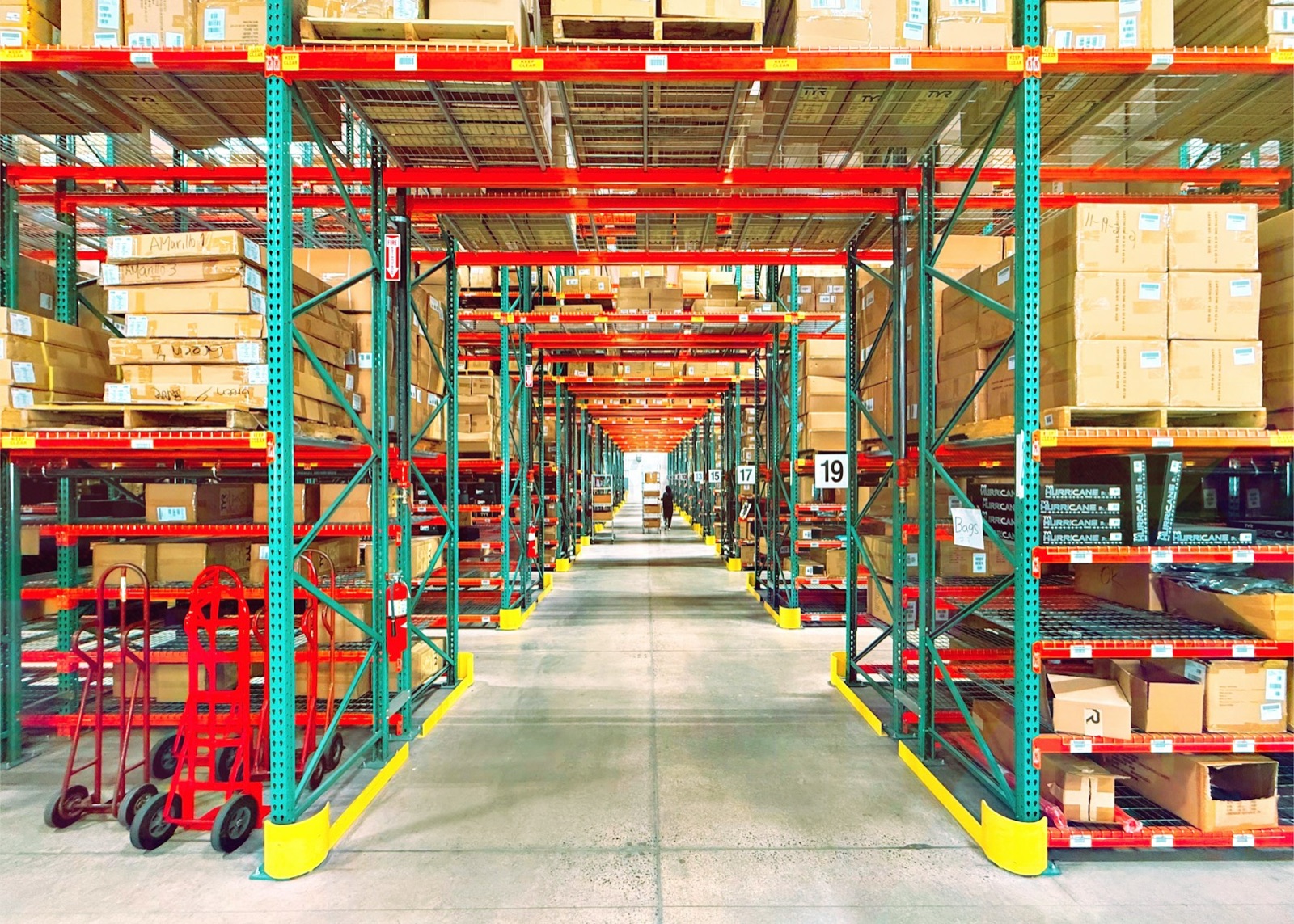


Reason, inspection result, resale status, ownership.
Receiving, relabeling, refurbishing, reshipment callbacks.
Lost, damaged, refused, delayed, disputed.
One status language across support, warehouse, and carrier teams.
RMA, warehouse actions, exception SLA, and support language managed in one structure.
Every node gets a status, owner, deadline, and next action so after-sales data does not stay buried in chat records.
Map after-sales, warehouse, carrier, and support gaps.
Deliver SOPs, ownership matrix, status table, and exception rules.
Validate cost, SLA, and collaboration against live order flows.
Warehouse inspection, parcel handoff, container yards, port movement, and support collaboration are separate scenes. The operating language has to connect them.
Once returns enter the warehouse, condition, accessories, resale status, and ownership are translated into one shared operating status.
Every handoff between the warehouse, 3PL, and service provider needs a status, timestamp, and next action so after-sales cost does not grow through coordination waste.

Arrival, unloading, warehouse intake, and customs status need to live in the same after-sales chain so the team can locate where the delay actually happened.

Cross-border after-sales includes ports, line-haul movement, refusals, delays, and platform disputes. They need one exception rule table.

Relabeling, refurbishing, reshipping, disposal, and resale cannot stay as notes. They need to become standard actions inside the workflow.

When warehouse checks, logistics exceptions, and platform disputes are structured, support teams can reply with one consistent language.

Need a little more help?
No. ORBISE focuses on warehouse coordination, after-sales workflow, SOP structure, and service-provider connection. Warehousing, carriers, outsourced support, CRM, or collaboration tools can be reviewed and connected when the project needs them.
We work on return ownership, warehouse inspection standards, warehouse action callbacks, logistics exception SLAs, marketplace dispute records, and support reply language. The goal is to help orders, warehouse teams, logistics partners, and support teams operate from one shared status language.
This is built for cross-border brands, overseas warehouses, 3PLs, outsourced support teams, and service providers expanding into overseas markets. If returns, exceptions, warehouse coordination, or customer replies are already consuming team time, a partnership assessment is a useful starting point.
Useful materials include your current return flow, recent warehouse or logistics exception cases, platform rules, support scripts, warehouse inspection forms, logistics node records, and the cost or timing problem you most want to reduce. If the materials are incomplete, we can start with interviews and process mapping.
Not necessarily. Most projects start by aligning status tables, ownership matrices, SOPs, and exception rules. System integration or vendor changes come later only when the workflow shows they are needed. Existing tools are kept where they still work.
The timeline depends on material readiness and stakeholder availability. A common path is to produce an issue map within several business days, then run a focused pilot over 2 to 4 weeks. Multi-vendor, integration-heavy, or multi-market workflows usually take longer.
Yes. The current site supports Simplified Chinese and English, and project deliverables can include bilingual SOPs, status definitions, support language, and service-provider communication materials.
Form information is used to respond to your inquiry, understand the need, and prepare consulting recommendations. If information later needs to be shared with a warehouse, carrier, CRM, email, or collaboration provider, sharing is limited to what the project requires.
Share your markets, platforms, and warehouse needs. We will identify which nodes should be connected first.